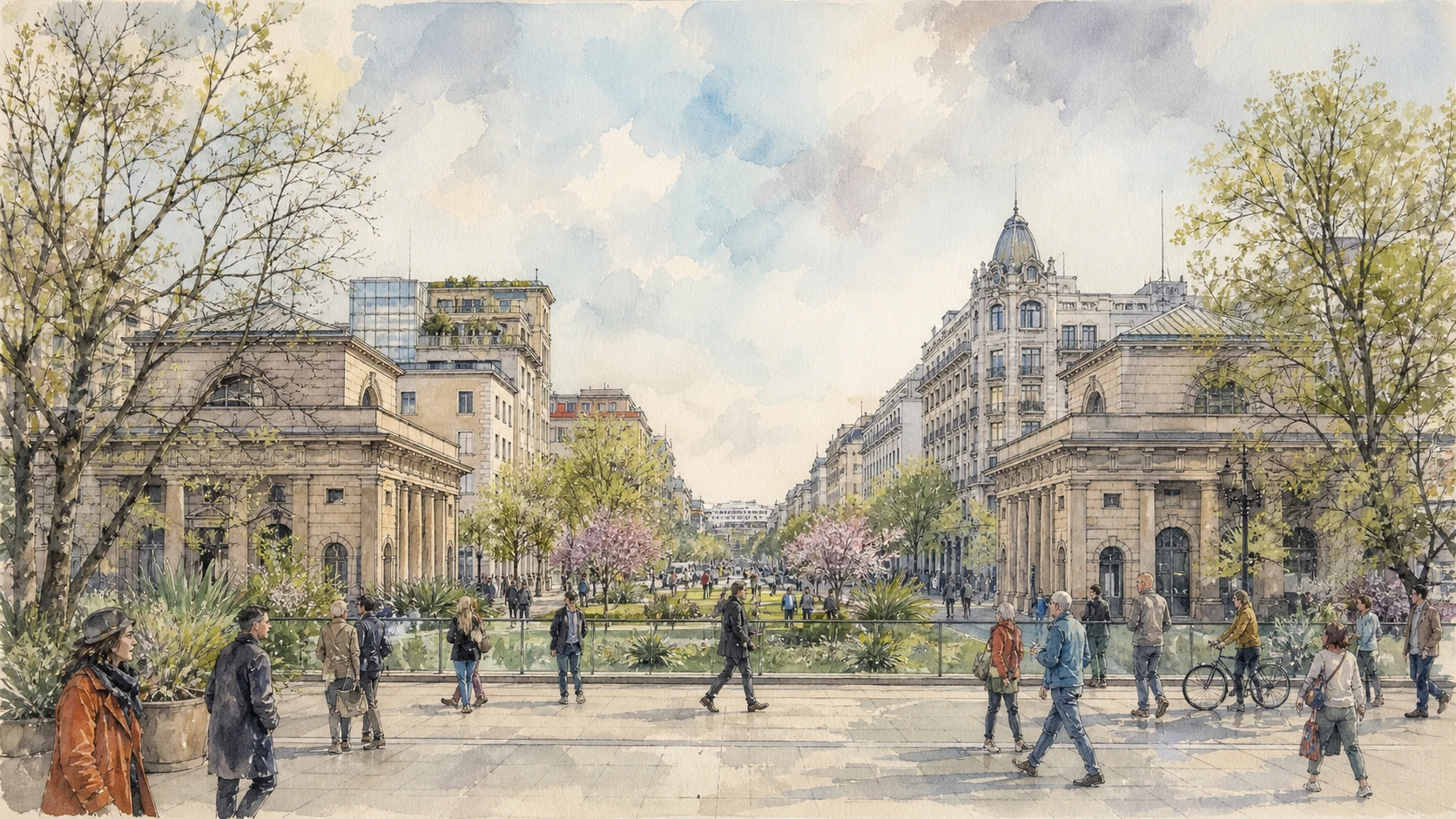
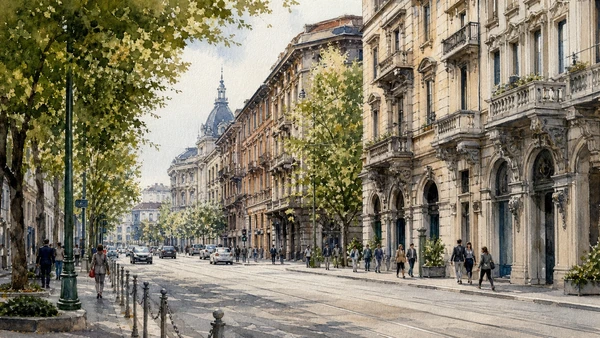
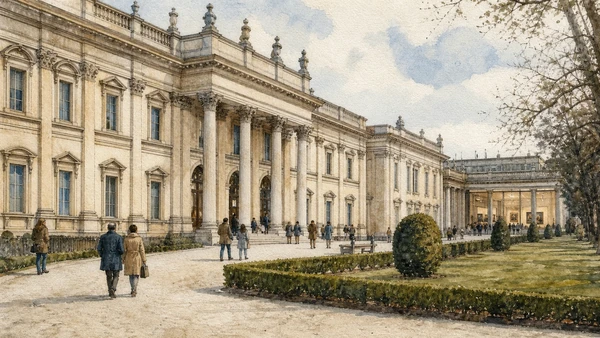
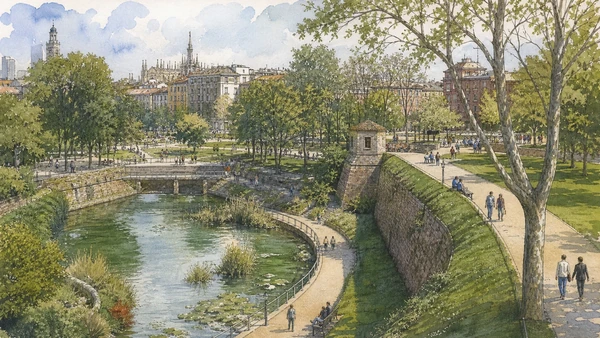
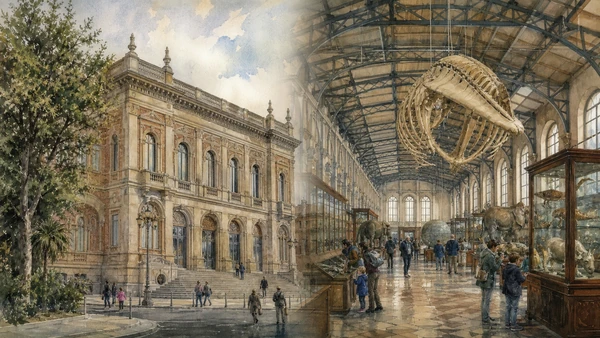
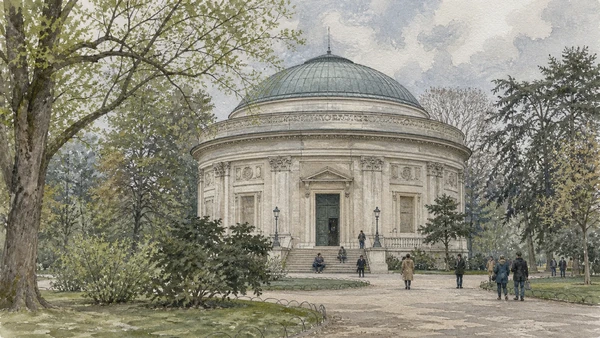
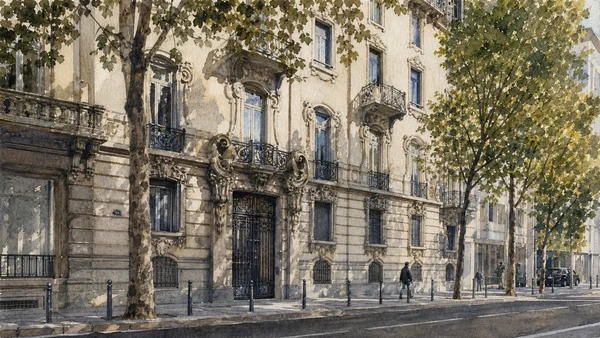
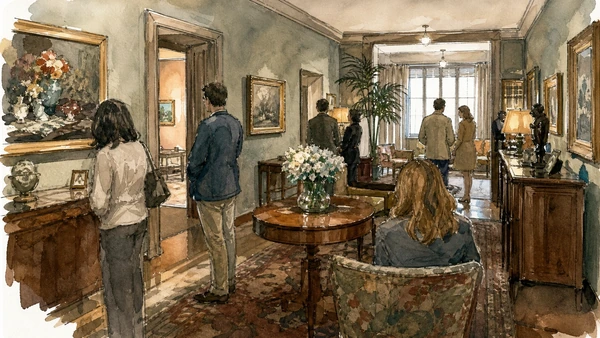
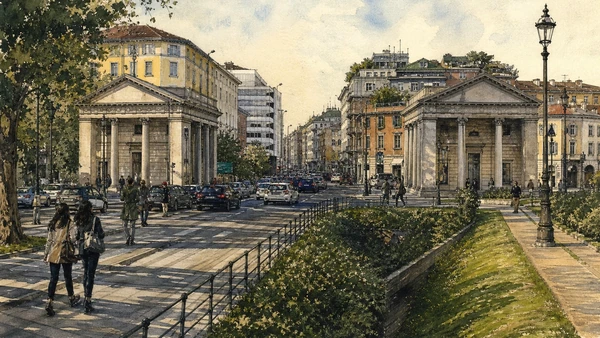
Corso Venezia developed as a prestigious approach lined by palaces and gardens. Villa Reale and the public gardens express different forms of elite and civic landscape, later joined by museums devoted to modern art and natural science.
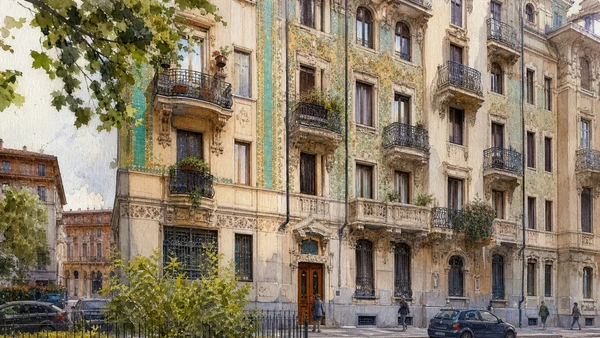
The former customs gate became a zone of nineteenth- and early-twentieth-century expansion. Liberty façades advertise craft and new domestic ambition, while internal plans and service spaces reveal the social hierarchy behind decorative surfaces.
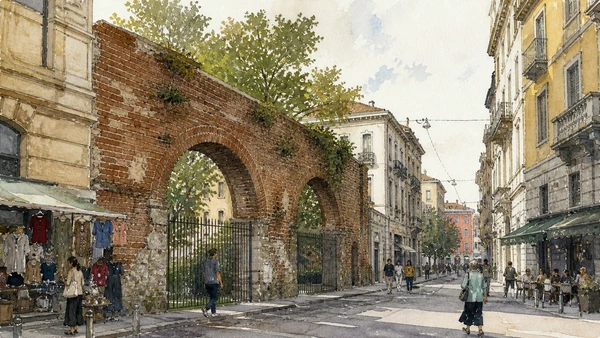
The district also preserves a chapel from the vast Lazzaretto and living cultural layers produced by successive communities. Those histories should not be turned into colourful background for an architectural walk.
Follow the old approach from palace interiors to public gardens and apartment streets, then end at the Lazzaretto fragment and contemporary neighbourhood without treating residents as scenery.