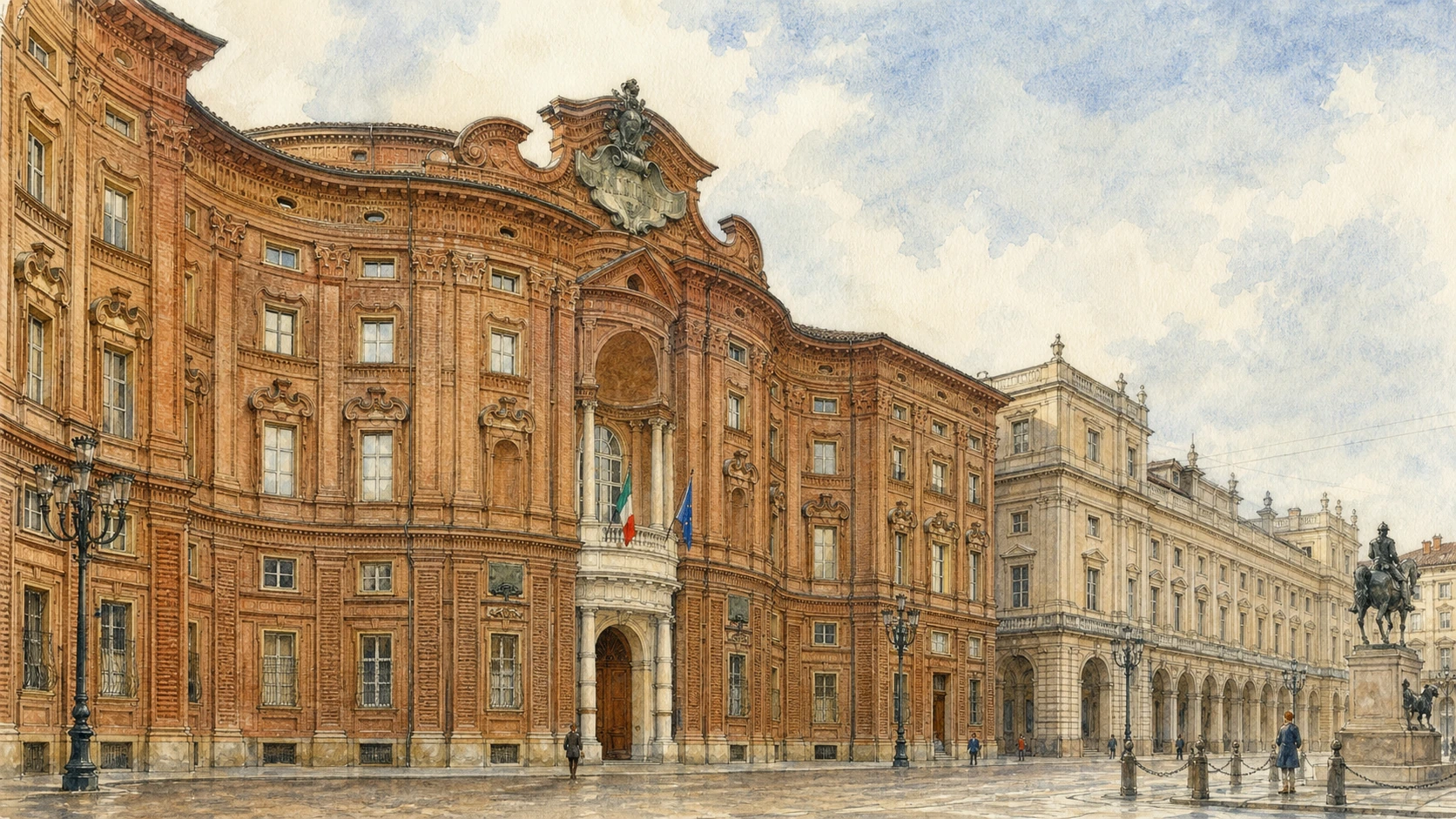
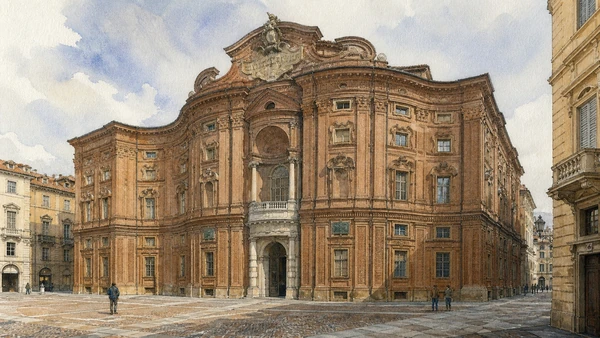
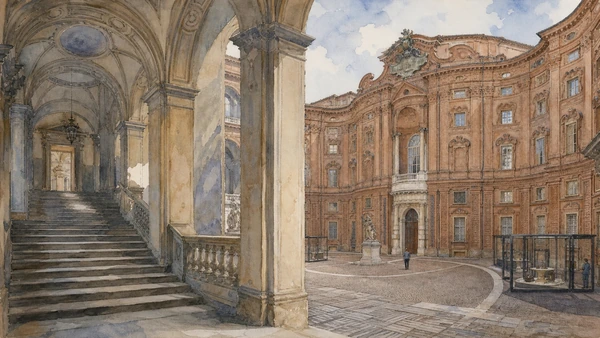
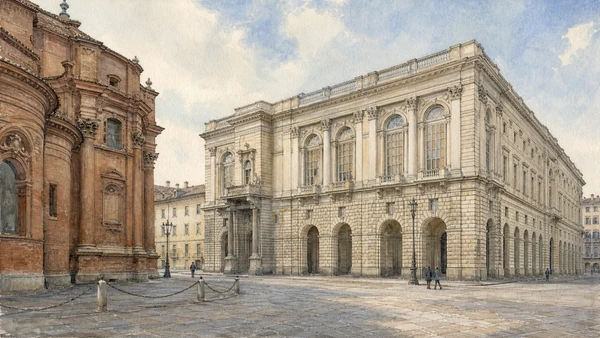
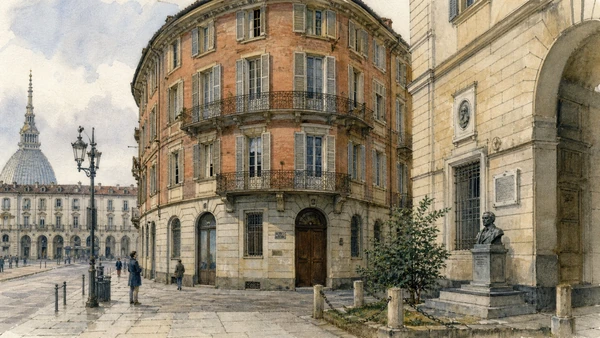
Guarini’s curved brick façade belongs to a seventeenth-century residence, while the nineteenth-century rear wing answered parliamentary needs. The building must be read from both sides.
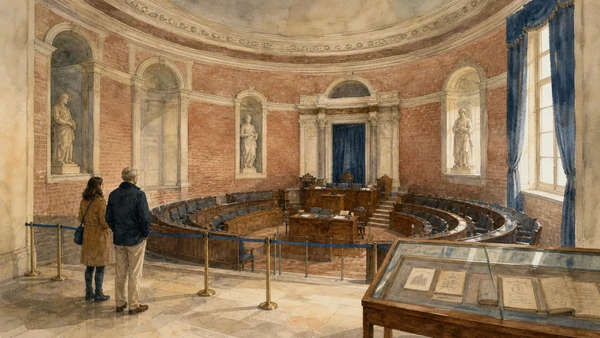
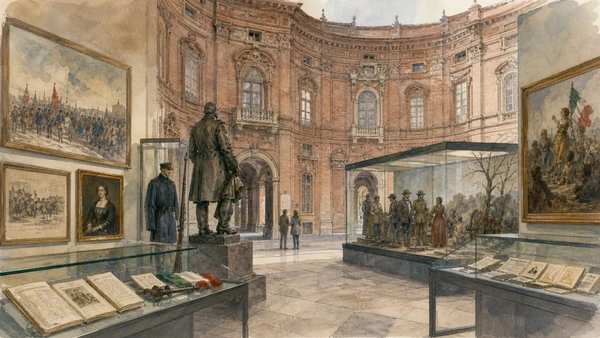
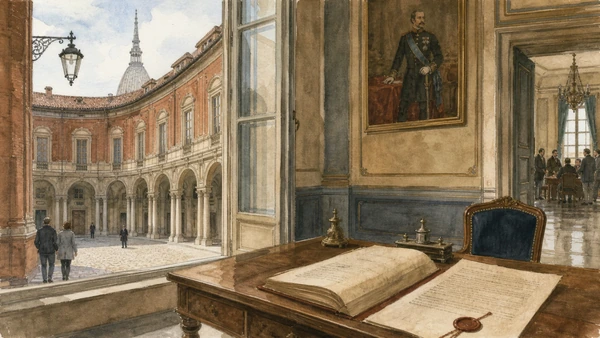
The Subalpine chamber survives as an unusually direct political interior. Museum display can connect speeches and leaders to voting rules, war, diplomacy, labour, gender and regional conflict.
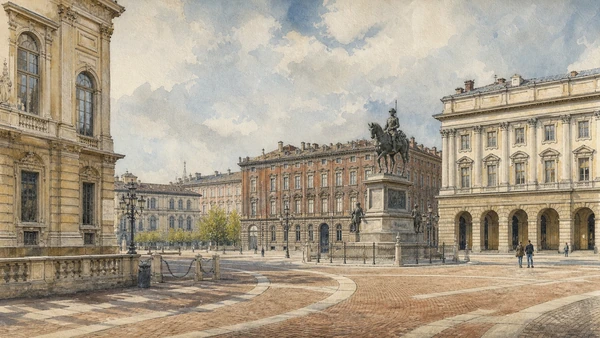
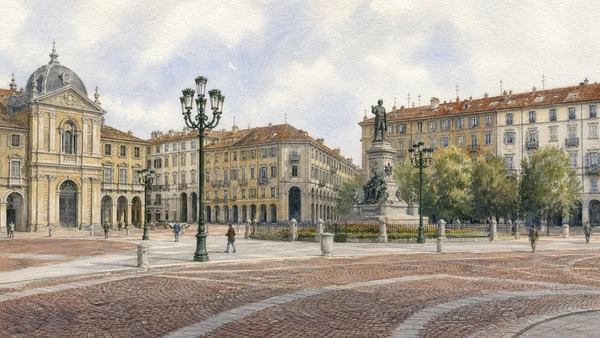
Squares named for Carlo Alberto and Carlo Felice, Cavour’s house and later monuments are acts of commemoration. They reveal what institutions chose to remember, not neutral summaries of unification.
Begin with the palace exterior and its two chronologies, give the museum a full controlled visit, then use nearby monuments and streets as evidence of later memory-making rather than as substitutes for history.