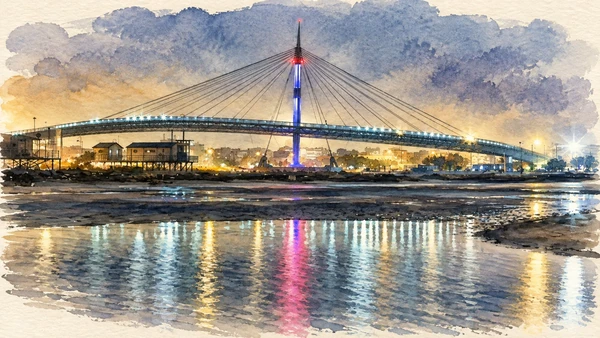
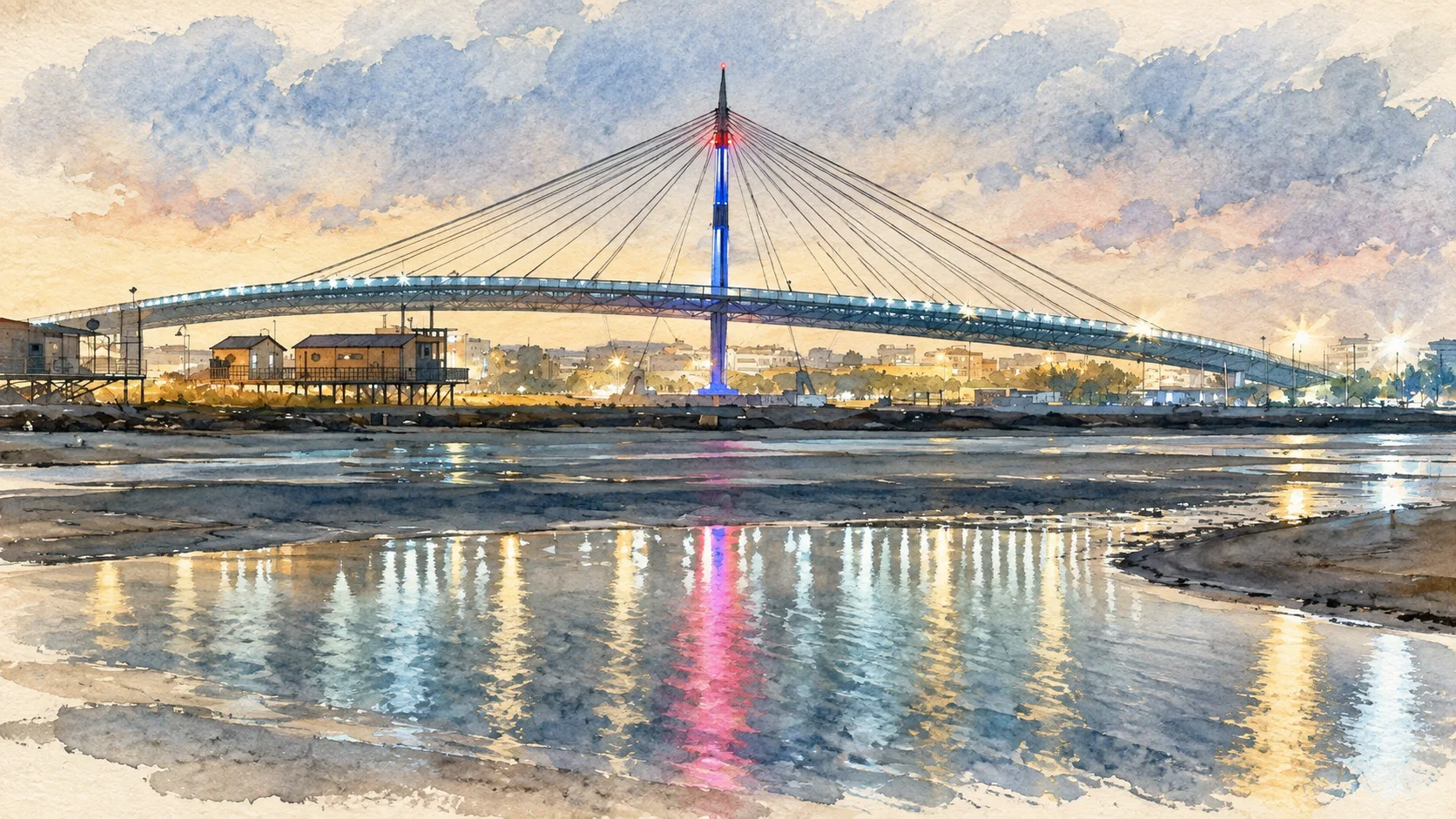
Watercolour: Ponte del Mare’s curved crossing and single inclined pylon above the river mouth.

Abruzzo · Guide 03

Pescara

A river mouth, an older town, artists’ museums and twentieth-century architecture give the Adriatic city several distinct voices.

Plan the route
Pescara10 chapters · history, culture and landscape

Why this place matters

Follow the river before following the seafront.

Pescara’s identity is distributed across its riverbanks. Older streets, a working waterfront, modern shopping areas and the pine district should not be collapsed into one seaside image. Its museums also ask different questions: literary biography, regional material culture, an artistic family and modern painting are separate subjects. Choose time for the collections that interest you instead of racing between their façades.

The guide separates documented history from suggestions for reading the site. Named buildings and landscape relationships follow institutional sources; the illustrations are editorial interpretations, not measured surveys or records of current access.

A river mouth, an older town, artists’ museums and twentieth-century architecture give the Adriatic city several distinct voices.
The route

Plan your visit

Group the older town and nearby museums into one walk. Give the river mouth and northern centre another part of the day. Aurum and the Pineta district are a separate extension; check the open entrance and programme of each museum.

Older town

Pescara Vecchia and D’Annunzio

Group the older town and nearby museums into one walk. Give the river mouth and northern centre another part of the day. Aurum and the Pineta district are a separate extension; check the open entrance and programme of each museum.

Museum choice

Genti d’Abruzzo or Cascella

River and northern centre

Ponte del Mare, La Nave and Imago

Separate extension

Aurum and the Pineta

Ten chapters

Explore the places

The chapters connect history and terrain. Mountain areas and outlying towns are separate options, not a single continuous walking route.

  1. 01Pescara Vecchia
  2. 02Casa natale di Gabriele d’Annunzio
  3. 03Museo delle Genti d’Abruzzo
  4. 04Museo Basilio Cascella
  5. 05Ponte del Mare
  6. 06La Nave di Cascella
  7. 07Piazza della Rinascita
  8. 08Imago Museum
  9. 09Aurum
  10. 10Pineta Dannunziana
01

The inhabited landscape

Pescara Vecchia

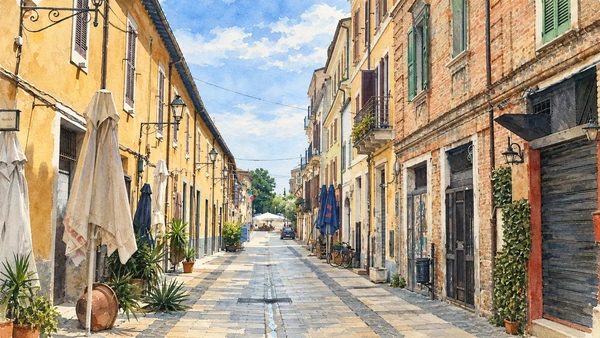
Begin in the older streets around Corso Manthonè, where the city’s scale differs from its broader modern avenues. The quarter is a living urban area, not only a setting for literary memory.

Today

This remains an inhabited place. Use pedestrian routes, keep entrances clear and check municipal mobility notices for any restricted area.

History

The older town was enclosed within a military fortress, demolished during D’Annunzio’s childhood. Subsequent growth changed the relationship between the river and the settlement.

How to read this place

Look at the street’s alignment and the size of its buildings. The lost fortress is a historical layer to understand through evidence, not a complete monument visible today.

What to notice

  • Look at the street’s alignment and the size of its buildings.
  • The relationship between the site and its surrounding route.
  • The distinction between surviving evidence and modern interpretation.
Ministry of Culture · D’Annunzio birthplace
Watercolour: The low shopfronts and houses along Corso Manthonè in Pescara Vecchia.
Pescara VecchiaEditorial watercolour · AI-generated · 2026
02

Evidence and interpretation

Casa natale di Gabriele d’Annunzio

The house museum offers a close-scale encounter with the writer’s early domestic setting. It deserves a different pace from a brief pause at a commemorative statue.

Today

Check the institution’s current opening, booking arrangements and accessible route. Individual rooms, exhibitions and approaches may have separate conditions.

History

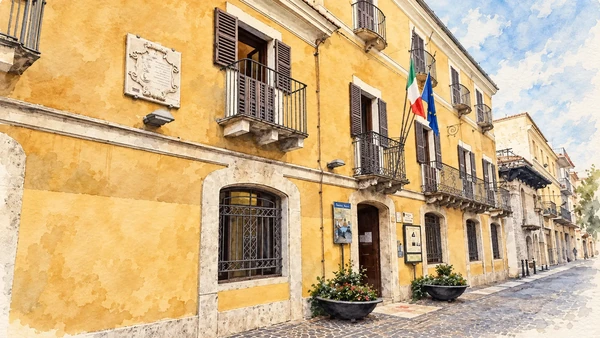
D’Annunzio was born in Pescara in 1863. The museum occupies his birthplace on Corso Manthonè within the older urban centre.

How to read this place

Read domestic rooms alongside the museum’s interpretation of biography. A childhood setting is one part of a complex life; literary achievement should not erase later political history.

What to notice

  • Read domestic rooms alongside the museum’s interpretation of biography.
  • The relationship between the site and its surrounding route.
  • The distinction between surviving evidence and modern interpretation.
Ministry of Culture · D’Annunzio birthplace
Watercolour: The yellow street facade of Gabriele d’Annunzio’s birthplace.
Casa natale di Gabriele d’AnnunzioEditorial watercolour · AI-generated · 2026
03

Evidence and interpretation

Museo delle Genti d’Abruzzo

Objects of work and daily life give regional history a material scale. This is a useful counterpoint to a route otherwise dominated by individual artists and named buildings.

Today

Check the institution’s current opening, booking arrangements and accessible route. Individual rooms, exhibitions and approaches may have separate conditions.

History

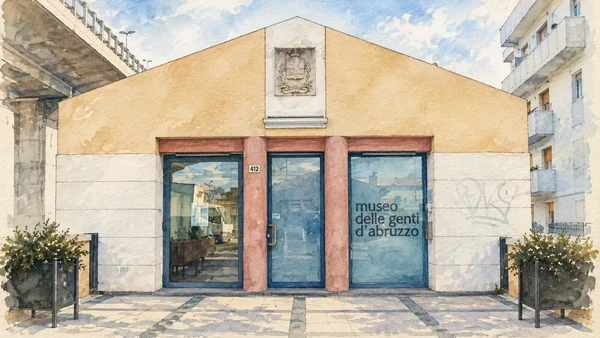
The museum interprets Abruzzo through archaeological evidence, costume and material culture. Its subject is broader than the modern city surrounding it.

How to read this place

Ask what an object did, who used it and how its use changed. Traditional dress in a display should not be treated as the everyday clothing of every contemporary resident.

What to notice

  • Ask what an object did, who used it and how its use changed.
  • The relationship between the site and its surrounding route.
  • The distinction between surviving evidence and modern interpretation.
Italia.it · Pescara
Watercolour: The entrance to Museo delle Genti d’Abruzzo in the older town.
Museo delle Genti d’AbruzzoEditorial watercolour · AI-generated · 2026
04

Evidence and interpretation

Museo Basilio Cascella

An artistic workplace can explain processes as well as finished works. The museum connects painting, graphic production and the cultural relationships of an influential family.

Today

Check the institution’s current opening, booking arrangements and accessible route. Individual rooms, exhibitions and approaches may have separate conditions.

History

The building served as a centre of artistic and graphic activity before becoming a civic museum. Its collections place the Cascella name within a wider local history of making.

How to read this place

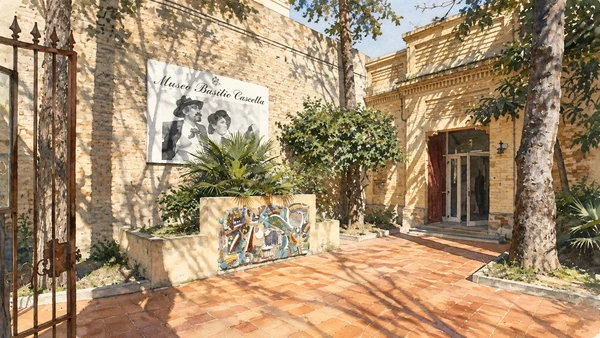
Distinguish the individual artists and media rather than using the surname as one authorship label. Exterior ceramic decoration and works inside deserve separate attention.

What to notice

  • Distinguish the individual artists and media rather than using the surname as one authorship label.
  • The relationship between the site and its surrounding route.
  • The distinction between surviving evidence and modern interpretation.
Ministry of Culture · Basilio Cascella museum
Watercolour: The courtyard and historic workshop buildings of Museo Basilio Cascella.
Museo Basilio CascellaEditorial watercolour · AI-generated · 2026
05

The inhabited landscape

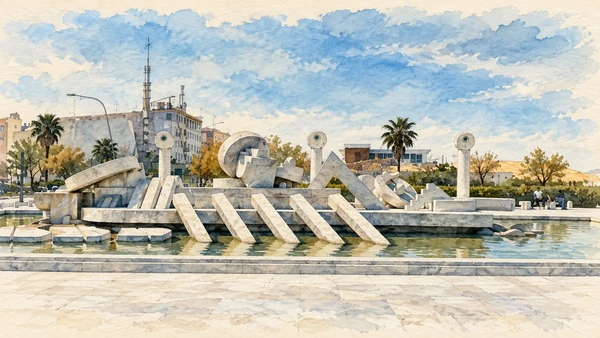
Ponte del Mare

The pedestrian and cycle crossing makes the river mouth a place to experience rather than simply an obstacle to cross. Pause where it is safe without blocking through movement.

Today

This remains an inhabited place. Use pedestrian routes, keep entrances clear and check municipal mobility notices for any restricted area.

History

Opened in 2009, the bridge is part of the city’s contemporary waterfront. It links the two sides of the river near the Adriatic.

How to read this place

Read the branching decks and cable-supported structure against the working water below. This is Ponte del Mare, a different bridge from Ponte Ennio Flaiano farther inland.

What to notice

  • Read the branching decks and cable-supported structure against the working water below.
  • The relationship between the site and its surrounding route.
  • The distinction between surviving evidence and modern interpretation.
Comune di Pescara · places
Watercolour: Ponte del Mare’s curved crossing and single inclined pylon above the river mouth.
Ponte del MareEditorial watercolour · AI-generated · 2026
07

The inhabited landscape

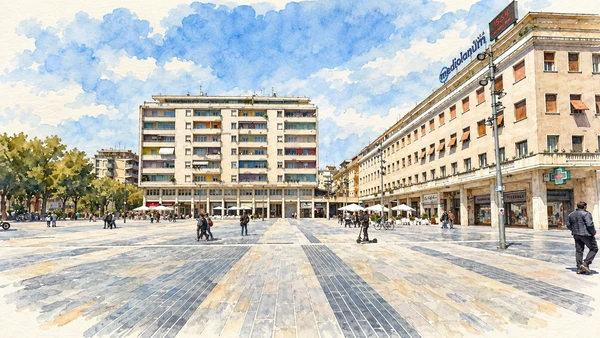
Piazza della Rinascita

The square and its pedestrian approaches are a good place to observe contemporary city life. They provide an urban pause between museums and the waterfront.

Today

This remains an inhabited place. Use pedestrian routes, keep entrances clear and check municipal mobility notices for any restricted area.

History

The modern centre developed a different scale and rhythm from the older streets south of the river. Commercial and public life continue to shape its spaces.

How to read this place

Notice shop fronts, routes to the sea and the ways people occupy the square. A modern public space has a history even without a medieval façade.

What to notice

  • Notice shop fronts, routes to the sea and the ways people occupy the square.
  • The relationship between the site and its surrounding route.
  • The distinction between surviving evidence and modern interpretation.
Italia.it · Pescara
Watercolour: The open paving and contemporary urban edges of Piazza della Rinascita.
Piazza della RinascitaEditorial watercolour · AI-generated · 2026
08

Evidence and interpretation

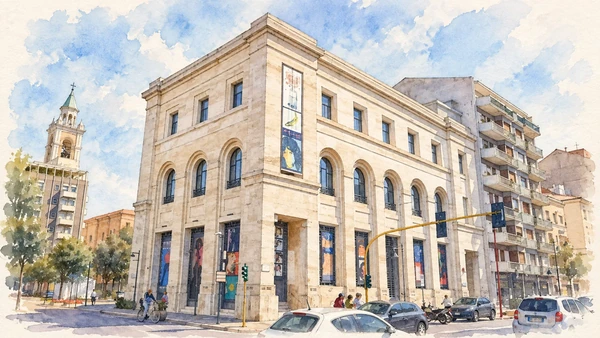
Imago Museum

The museum expands a Pescara visit beyond literary biography and seafront sculpture. Choose it for a sustained encounter with modern and contemporary visual art.

Today

Check the institution’s current opening, booking arrangements and accessible route. Individual rooms, exhibitions and approaches may have separate conditions.

History

Its building was constructed in 1933 for the Banco di Napoli. The museum reuses that rationalist architecture for collections including Danish painting and twentieth-century figurative art.

How to read this place

Compare the building’s disciplined exterior with the different visual languages of its collections. Check the current display rather than expecting every named work to be on view.

What to notice

  • Compare the building’s disciplined exterior with the different visual languages of its collections.
  • The relationship between the site and its surrounding route.
  • The distinction between surviving evidence and modern interpretation.
Comune di Pescara · Imago Museum
Watercolour: The former bank building housing Imago Museum.
Imago MuseumEditorial watercolour · AI-generated · 2026
09

Evidence and interpretation

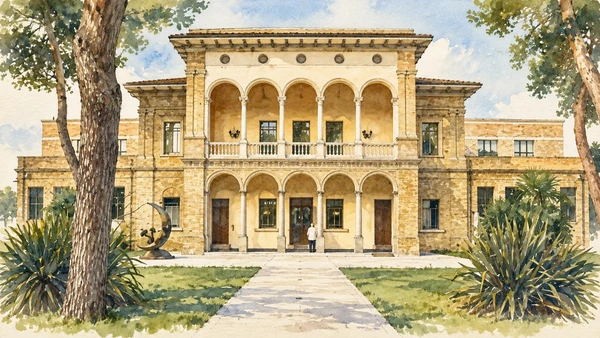
Aurum

The former distillery is now a cultural venue within the Pineta district. Its architecture makes industrial reuse part of the city’s visitor experience.

Today

Check the institution’s current opening, booking arrangements and accessible route. Individual rooms, exhibitions and approaches may have separate conditions.

History

The complex combines the earlier Kursaal with a later addition associated with Giovanni Michelucci. Its working history preceded the present cultural programme.

How to read this place

Read the relationship between curved and older building volumes. An exhibition or event may occupy only part of the complex, so consult the programme before planning an interior visit.

What to notice

  • Read the relationship between curved and older building volumes.
  • The relationship between the site and its surrounding route.
  • The distinction between surviving evidence and modern interpretation.
Comune di Pescara · Aurum
Watercolour: The two-tiered entrance facade and arches of Aurum in the Pineta district.
AurumEditorial watercolour · AI-generated · 2026
10

Terrain and access

Pineta Dannunziana

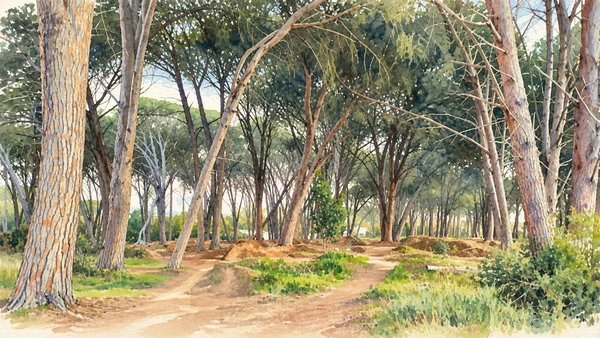
The pine district introduces shade, habitat and a different rhythm from the river mouth. Use the officially open paths and entrances rather than assuming the entire green area is accessible.

Today

Conditions depend on the exact route and the day. Check the responsible operator, weather and local access notices; a viewpoint is not the same undertaking as a mountain traverse.

History

The reserve and the surrounding urban quarter are linked to the development of the southern city, including the nearby Aurum complex.

How to read this place

Read the contrast between planned urban space and living vegetation. Restoration, maintenance and conservation needs can alter access; do not use an old map as proof of an open route.

What to notice

  • Read the contrast between planned urban space and living vegetation.
  • The relationship between the site and its surrounding route.
  • The distinction between surviving evidence and modern interpretation.
Comune di Pescara · history of Rione Pineta
Watercolour: Pine trunks, undergrowth and shade in the Pineta Dannunziana.
Pineta DannunzianaEditorial watercolour · AI-generated · 2026

The territory through time

A short chronology

A concise chronology linking the documented sites to the wider story.

  1. The older town develops beside a river mouth that remains central to local geography.

  2. D’Annunzio’s birthplace becomes a place to examine biography through rooms and objects.

  3. The Cascella workshop connects painting and applied arts with the city’s material culture.

  4. Seaside planning and the pine landscape shape a distinct southern district.

  5. A leisure building and later distillery acquire another life as a cultural venue.

  6. La Nave turns the seafront into a setting for close looking at modern sculpture.

  7. Ponte del Mare connects the two banks for pedestrians and cyclists.

  8. Imago Museum adds another cultural destination within an existing urban building.

Before your visit

Practical information

01

Plan separate days

Choose a manageable set of visits and allow for transport, booked entries and the return journey.

02

Use the exact place name

Similar religious names can refer to different sites. Santo Spirito al Morrone near Sulmona and Santo Spirito a Maiella near Roccamorice require separate journeys.

03

Check the institution

Opening hours, tickets, exhibitions and religious access change. Use the linked managing institution shortly before visiting.

04

Check the actual terrain

A town walk, gorge walkway, lift arrival and mountain path have different demands. Use current route information, weather and closures for the option you choose.

05

Arrange accessible visits

Historic interiors and mountain approaches can include steps, gradients or uneven surfaces. Ask about the specific route instead of assuming an entire destination is step-free.

06

Respect work and residence

Farms, workshops, churches and historic streets remain in use. Follow signs, keep entrances clear and ask permission before entering private spaces.

Method and sources

Sources and image credits

Prepared on 8 September 2026 from the institutional sources linked below. Historical claims are separated from editorial observations and itinerary suggestions. Older institutional brochures are used for stable cultural context, never as current timetables. Prices, transport schedules, trail status and admission are deliberately left to the responsible operators. Illustrations are not photographs, measured reconstructions or evidence of current conditions.

The eleven images are AI-generated editorial watercolours guided by photographic references. They interpret named places and are not photographs or substitutes for measured plans. Opening hours, tickets, accessible routes, temporary exhibitions and conservation work can change; consult the linked official pages shortly before visiting.