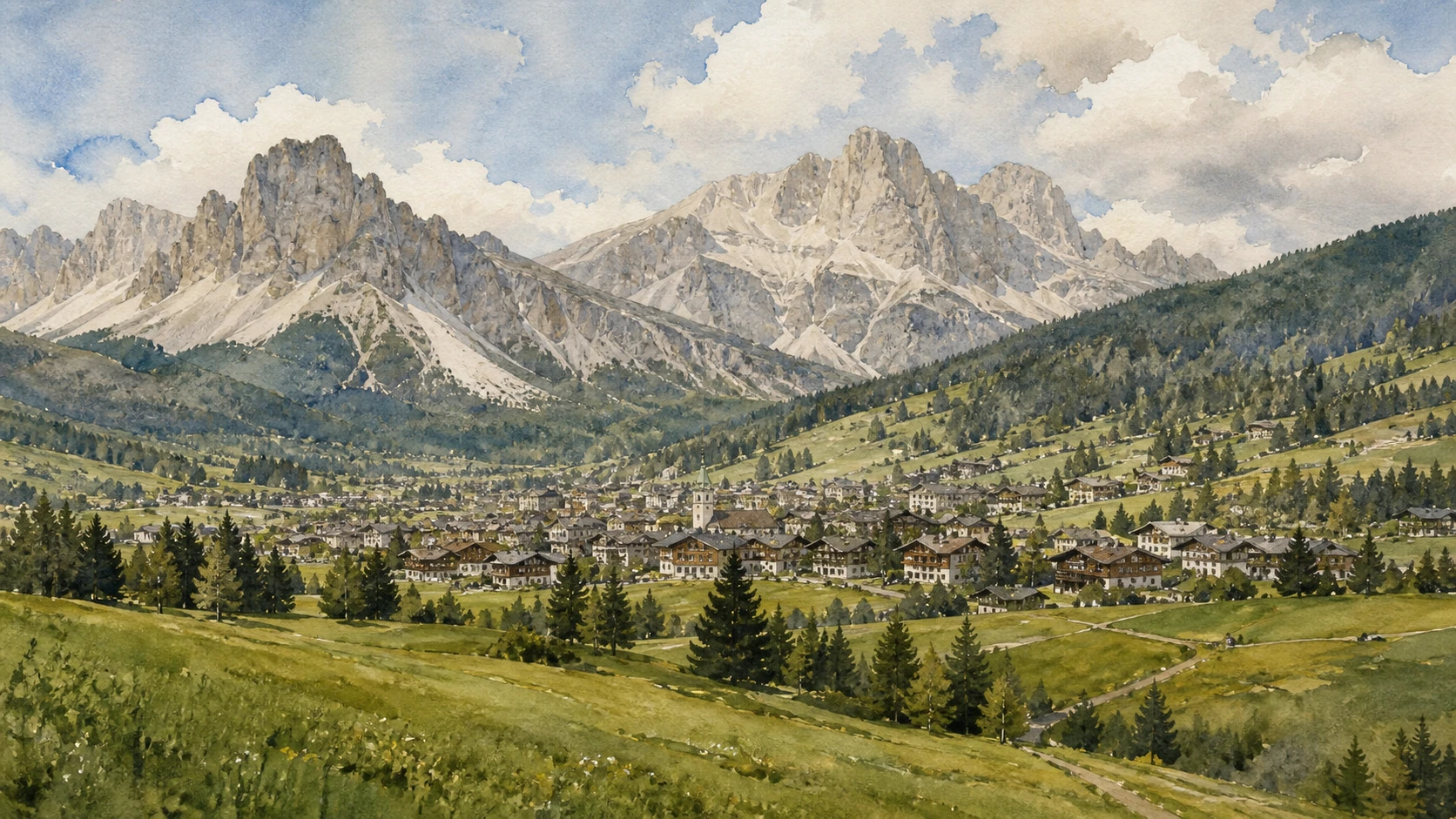
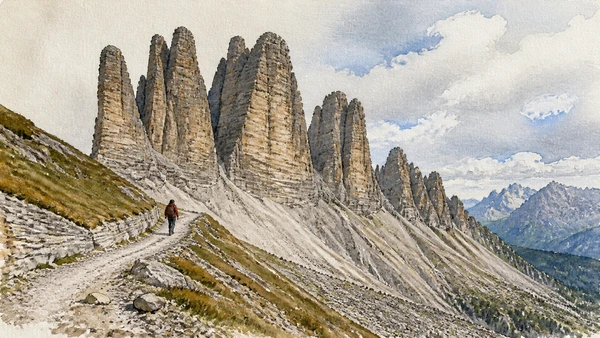
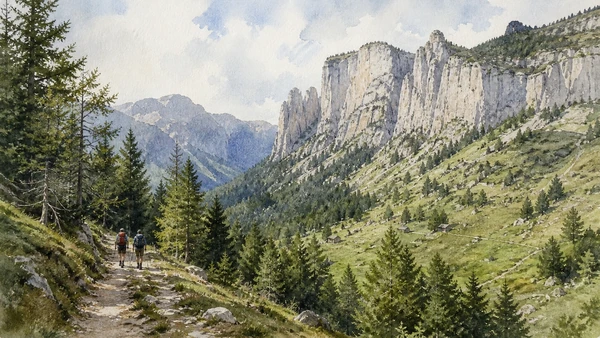
The Dolomites preserve an exceptional record of ancient tropical marine environments and later mountain formation. Their vertical forms create celebrated views but also objective hazards, rapid weather changes and fragile habitats. UNESCO recognition describes a serial natural property; it does not turn every summit into an accessible viewpoint.
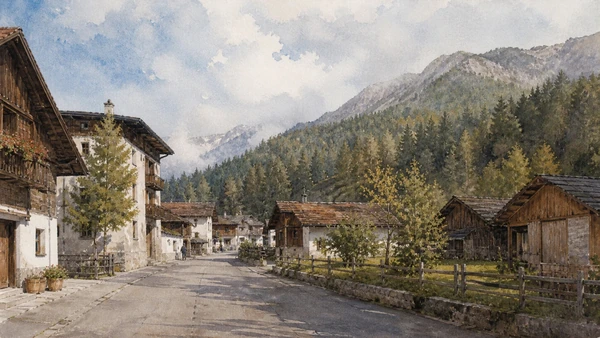
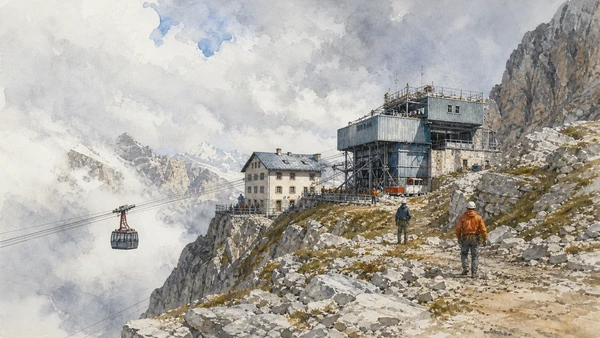
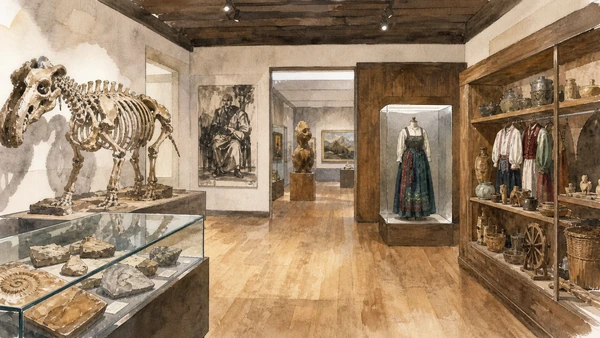
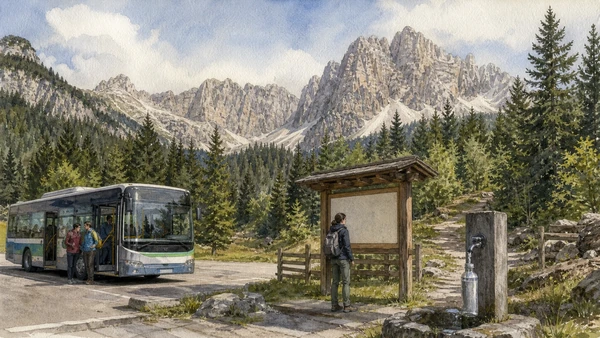
Cortina’s Regole d’Ampezzo manage collective forests and pastures through a long local institution that cannot be reduced to folklore. Their museums connect geology, ethnography and twentieth-century art. Lifts and roads enable access, yet seasonal closures, capacity, storms and maintenance must remain part of any honest itinerary.
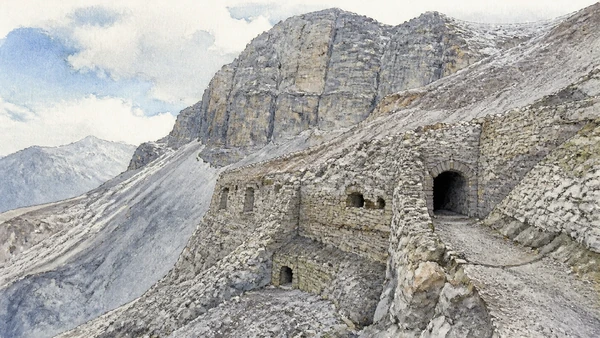
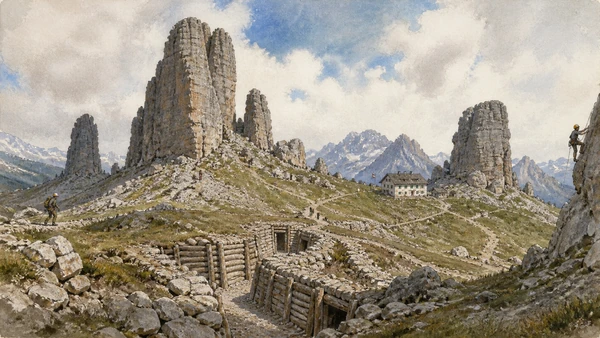
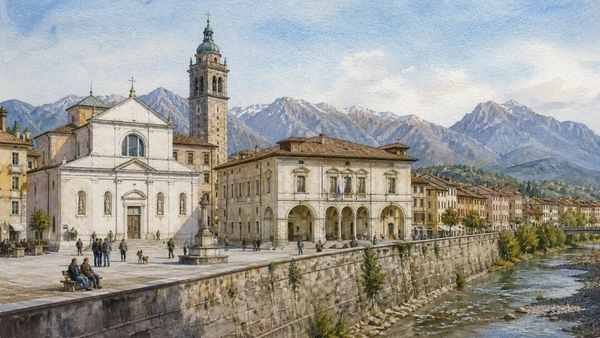
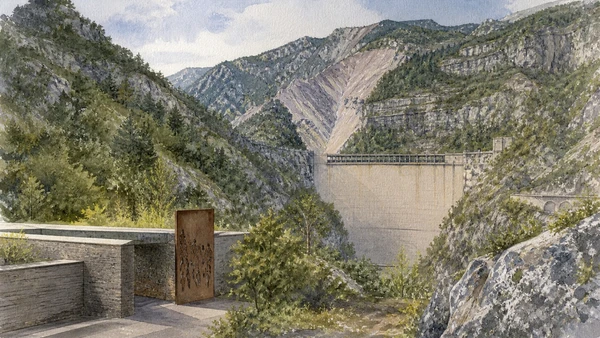
Lagazuoi and Cinque Torri contain trenches, tunnels and positions from the First World War. These are conflict landscapes and graves, not adventure scenery. Belluno, the Dolomiti Bellunesi National Park and the Vajont memorial widen the route beyond Cortina and show how settlement, conservation, industry and disaster memory shape the province.
Plan several days, choose one high-area chapter only in suitable conditions, preserve a museum or valley alternative and treat every closure as information rather than an obstacle to bypass.