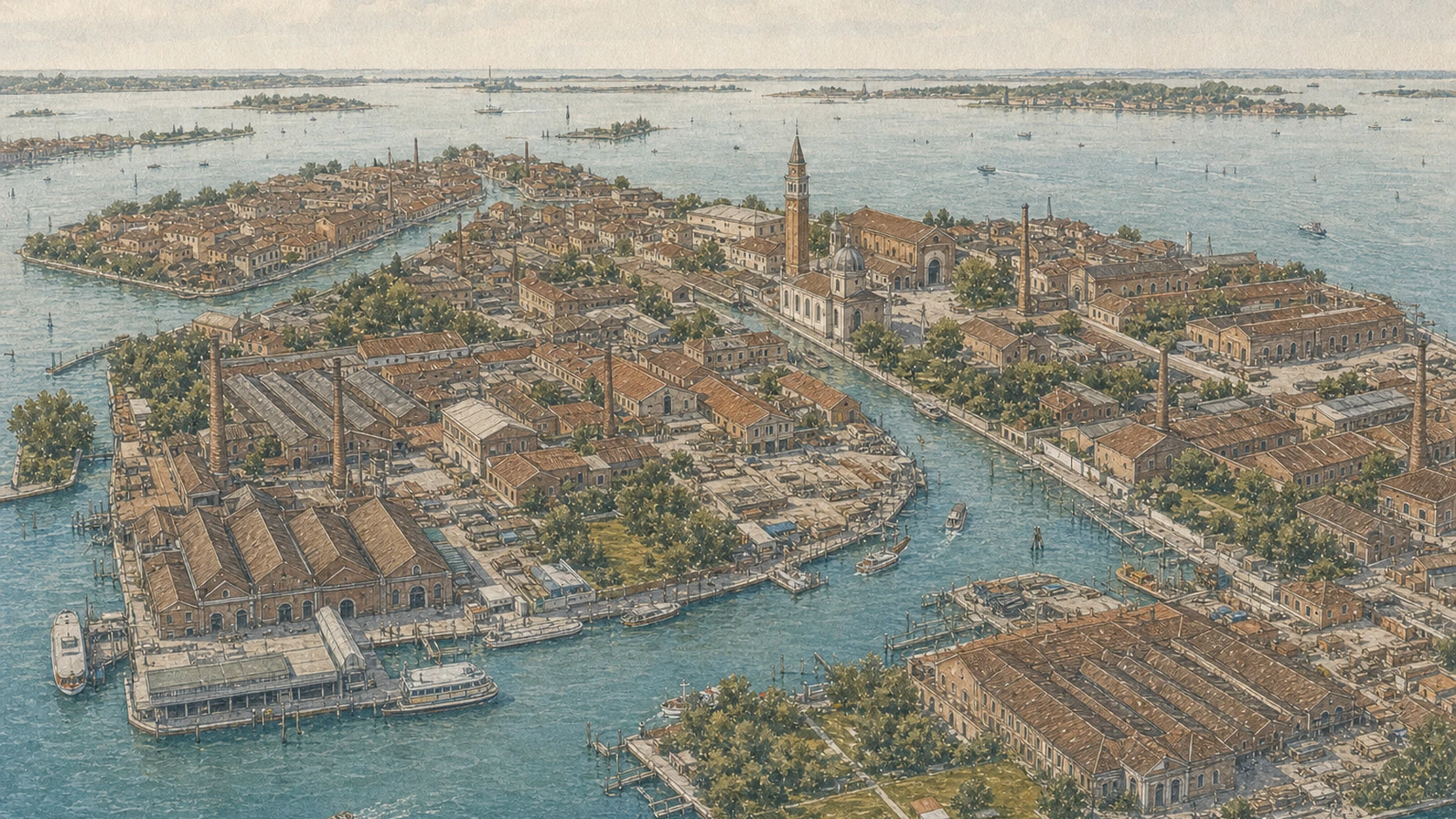
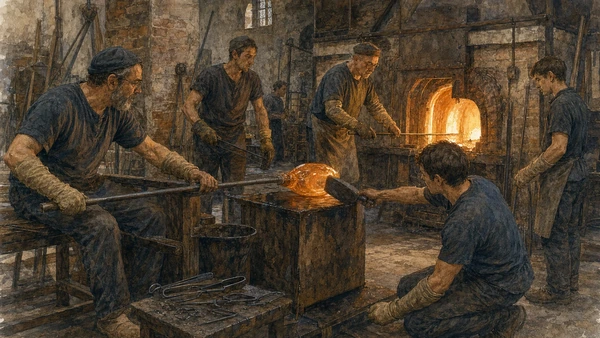
The Republic concentrated furnaces on Murano from the late thirteenth century through regulation often explained only as fire prevention. Control of fuel, labour, recipes and movement also mattered. Over centuries, makers refined cristallo, enamel, filigree, lattimo, mirrors, beads, murrine and countless forms shaped by international exchange. Techniques were never static, and the idea of one timeless Murano style obscures periods of crisis, revival and radical design collaboration.
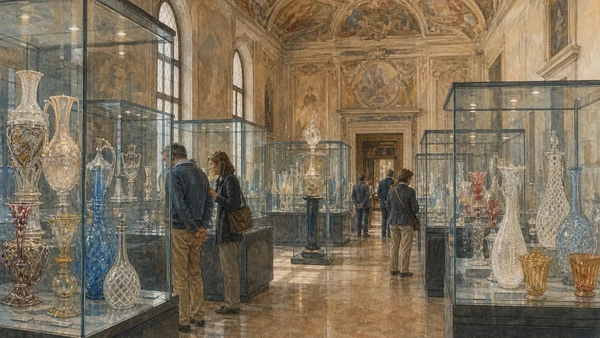
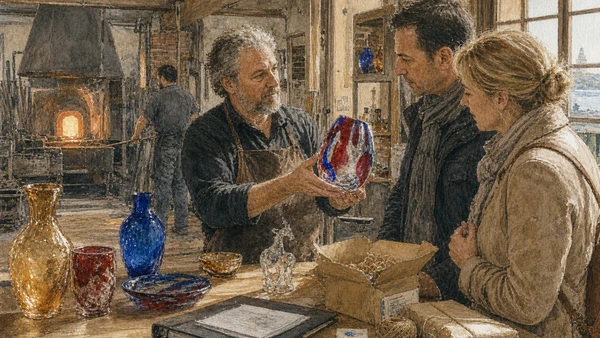
The Glass Museum provides the essential chronology. Its collection begins with ancient glass that later makers studied, then follows Murano production from the fifteenth to twentieth centuries and into contemporary work. A furnace visit answers a different question: not what survives in a case, but how timing, gravity, heat and coordinated labour turn molten material into an object. A short sales demonstration cannot replace either historical collection or sustained workshop practice.
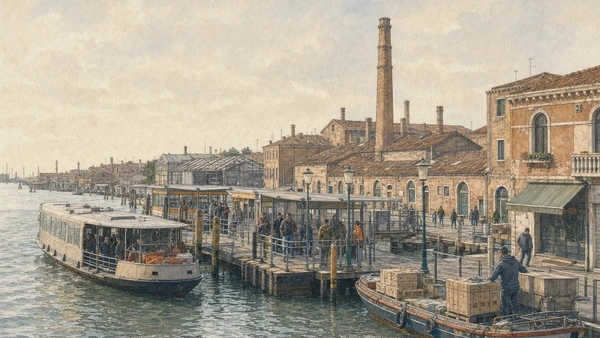
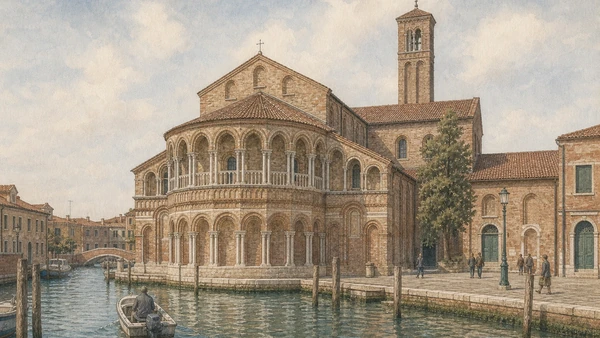
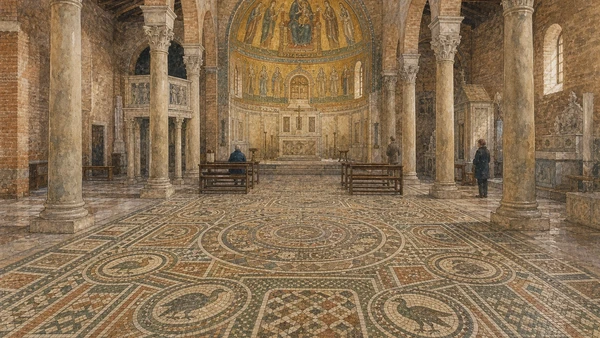
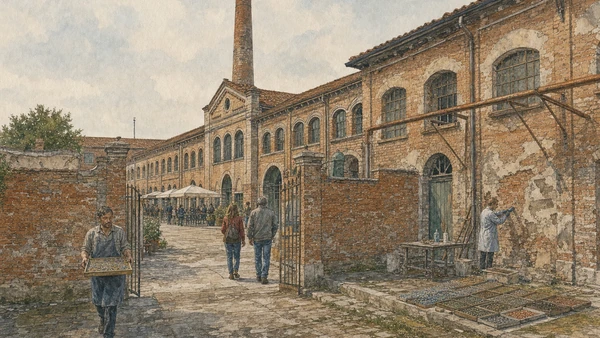
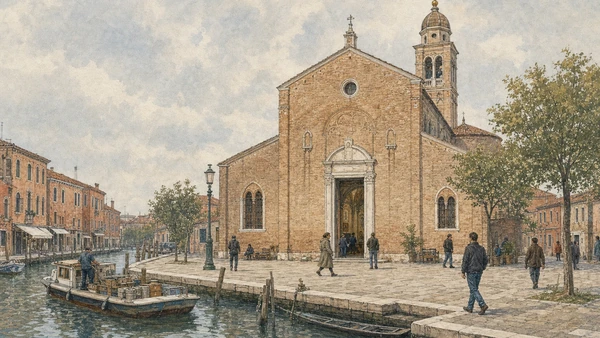
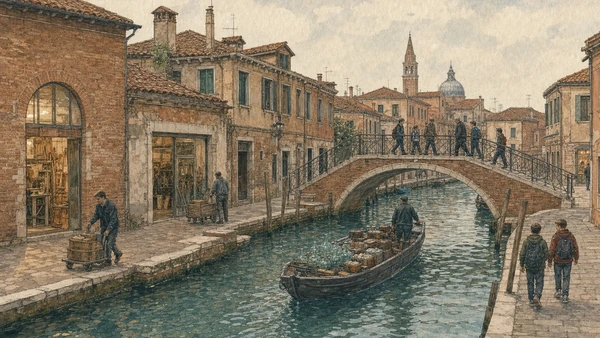
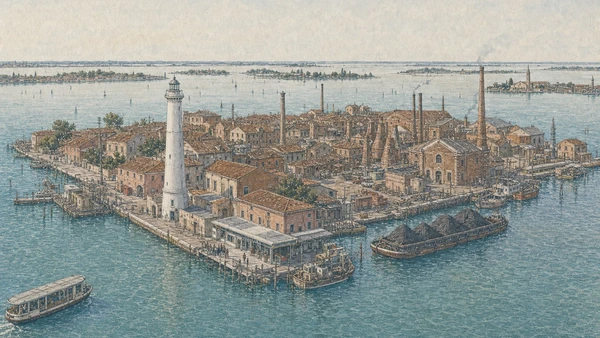
Murano also contains Romanesque architecture, parish art, industrial archaeology, homes and civic routes. Santi Maria e Donato preserves a celebrated mosaic pavement within active worship. The Conterie complex records bead manufacture at an industrial scale. Rio dei Vetrai and Faro expose daily deliveries, school movement, energy demand and connection to the northern lagoon. Responsible visitors should therefore spend as much time reading the island as choosing an object.
Ask who made a piece, where it was made and how its origin is documented; price, colour and the word Murano alone do not answer those questions.