Lombardy · Independent metropolitan chapter

MilanImperial city, ducal court and working metropolis

Ten illustrated gateways through a city shaped by Roman infrastructure, Christian institutions, ducal patronage, industry, design, railways, migration, water engineering and continual redevelopment.

10complete guides
100illustrated chapters
110guide images
Milan is not one cathedral and a modern skyline. It is a metropolitan system held together by ancient routes, worship, court institutions, railways, work, residence, design and continual rebuilding.
A city chapter within Lombardy

The ten guides divide Milan by connected territories rather than a monument checklist. Cathedral and civic institutions organise the centre; court and learned institutions extend west and north; canals, railways and industrial land explain the metropolitan expansion.

Navigli, Porta Venezia, Isola, Tortona, QT8 and San Siro are not optional modern detours. They explain engineering, migration, housing, industry, design, memorial culture and sport across the same inhabited city.

Four systems to follow

Explore the city

The guides connect the historic centre and court institutions with canals, working districts and the wider metropolis.

01

Street, water and infrastructure

Ancient axes, canals, rail corridors, parks and metropolitan roads organise movement, land value and daily service.

02

Court, commune and worship

Cathedral, basilicas, castle, municipal palace and museums record different forms of authority and responsibility.

03

Production and knowledge

Workshops, factories, design institutions, collections and universities connect materials, labour and international exchange.

04

Residence and public life

Homes, schools, housing, transport, parks and conservation keep heritage tied to contemporary life.

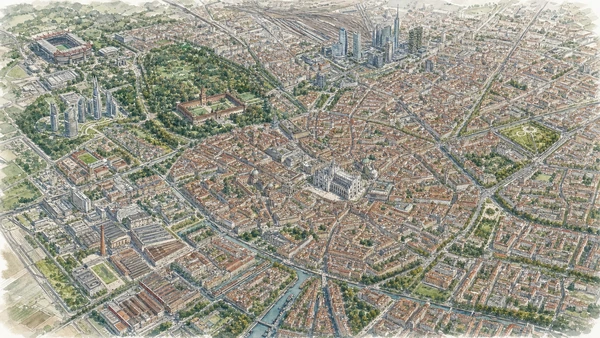
Original illustrated atlas of Milan with ten connected historic, cultural, industrial, water and metropolitan territories
The metropolis as a city

Ten gateways across connected urban layers.

The Duomo and Roman centre anchor the historic grid; Castello and Brera extend toward Sempione; canals structure the south; railways and reused industrial land open the atlas toward Isola, Tortona and western Milan.

The Milan atlas

Explore the ten city guides.

Every card leads to a complete local guide with ten chapters, current official references and eleven distinct documentary watercolours. Public links activate only after the authorised publication pass.

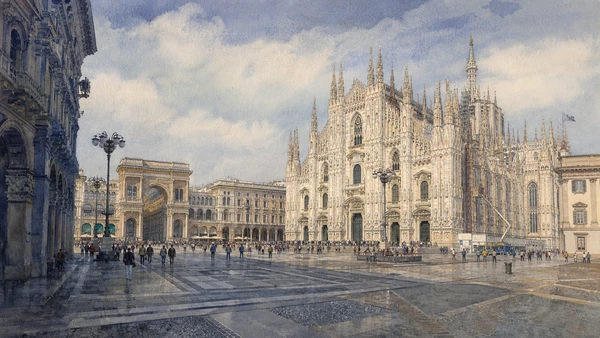
Documentary watercolour for Duomo, Galleria and the Civic Centre
01Cathedral and civic centre

Duomo, Galleria and the Civic Centre

Marble works, worship, archaeology, royal and municipal institutions, modern art, commerce and the medieval civic core.

Open guide ↗
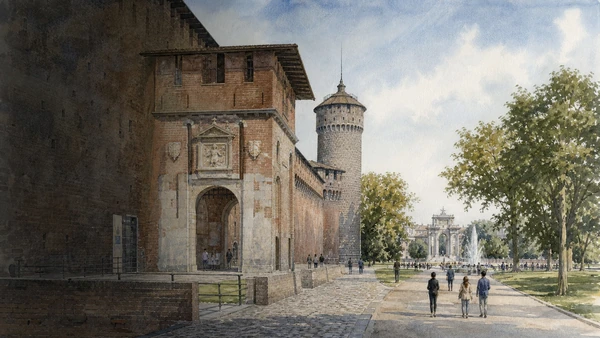
Documentary watercolour for Castello Sforzesco, Sempione and the Ducal City
02Fortress and public park

Castello Sforzesco, Sempione and the Ducal City

Defensive fabric, ducal residence, civic collections, restoration, public landscape, design and ceremonial urbanism.

Open guide ↗
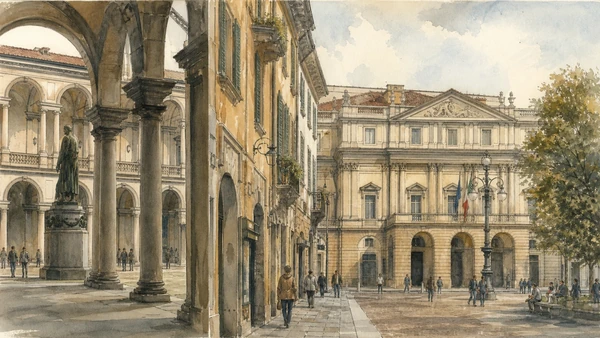
Documentary watercolour for Brera, La Scala and the Enlightenment City
03Art and learned institutions

Brera, La Scala and the Enlightenment City

Gallery, academy, library, science, botanical study, theatre, collecting and the institutional city around Piazza Scala.

Open guide ↗
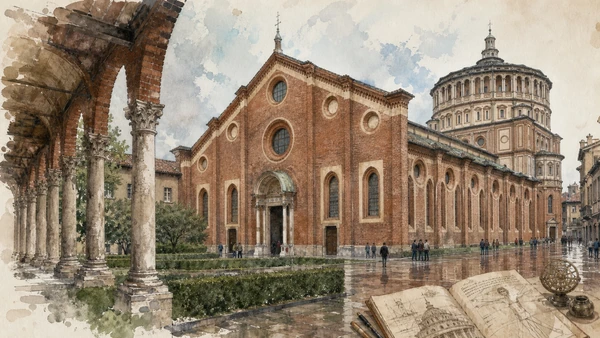
Documentary watercolour for Santa Maria delle Grazie, the Last Supper and Leonardo
04Leonardo and evidence

Santa Maria delle Grazie, the Last Supper and Leonardo

Dominican complex, fragile wall painting, conservation, court networks, manuscripts, models and documented reception.

Open guide ↗
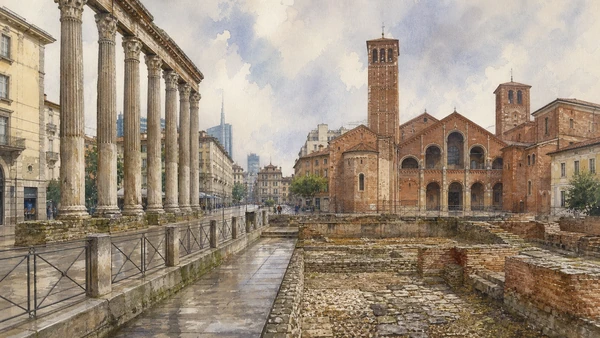
Documentary watercolour for Mediolanum and Early Christian Milan
05Roman and Christian city

Mediolanum and Early Christian Milan

Imperial palace, circus, amphitheatre, archaeological museum, baptistery, basilicas, burial and reused Roman fabric.

Open guide ↗
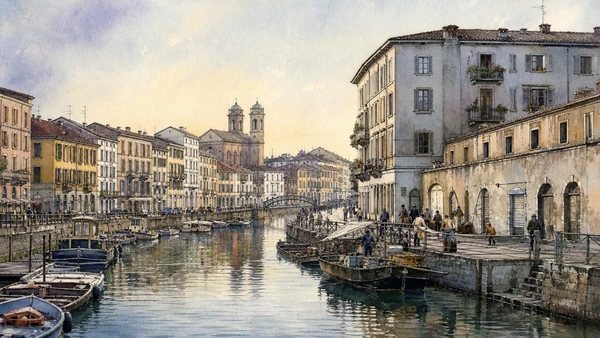
Documentary watercolour for Navigli, Darsena and the Water City
06Engineered water city

Navigli, Darsena and the Water City

Canal engineering, port basin, gates, towpaths, churches, workshops, night economy and resident access.

Open guide ↗
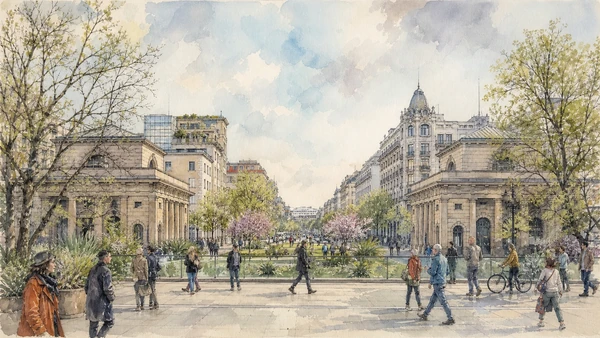
Documentary watercolour for Porta Venezia and the Modern Bourgeois City
07Gardens and modern residence

Porta Venezia and the Modern Bourgeois City

Corso Venezia, civic museums, public gardens, Liberty housing, the Lazzaretto and a layered migrant district.

Open guide ↗
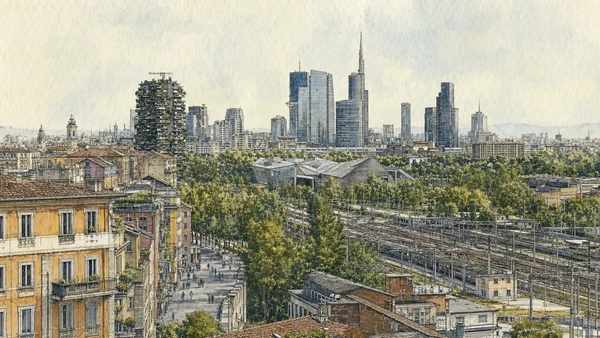
Documentary watercolour for Porta Nuova, Isola and the Railway Metropolis
08Railway and new skyline

Porta Nuova, Isola and the Railway Metropolis

Stations, post-war towers, reused railway ground, BAM, planted high-rise housing, neighbourhood identity and displacement pressure.

Open guide ↗
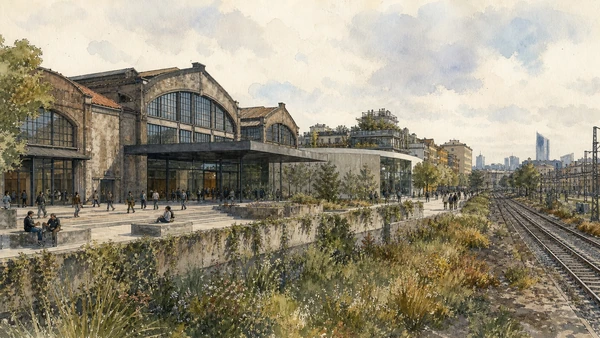
Documentary watercolour for Tortona, MUDEC and Industrial Memory
09Industry, collections and design

Tortona, MUDEC and Industrial Memory

Former Ansaldo works, global collections, provenance, cultural production, fashion, rail and working neighbourhoods.

Open guide ↗
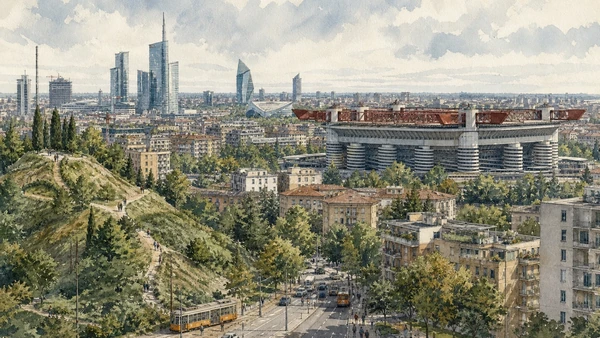
Documentary watercolour for CityLife, QT8, San Siro and Western Milan
10Planning, memorial and sport

CityLife, QT8, San Siro and Western Milan

Former fair, new towers, experimental housing, Monte Stella, civic remembrance, stadium, racecourse and unresolved change.

Open guide ↗
How to use the atlas

Build a route that respects distance and time.

Choose one territory

A complete guide is one full day or two linked half-days, not a race across distant districts.

Check live access

Churches, museums, theatres, stations and exhibitions publish different rules; verify the institution before travel.

Read the approach

Street axes, canals, railway barriers, conservation and thresholds explain why monuments occupy their places.

Leave room for residents

Doors, worship, markets, housing, commuter journeys and quiet belong to people who live and work here.

Official starting points

Institutions before shortcuts.

Opening hours and access conditions change. Current institutions remain the final reference for tickets, closures and visitor rules.

Milan begins in its layers.

Ten gateways through the ancient city, the working metropolis and the communities that keep its heritage inhabited.